
Water restoration is the process of extracting standing water, drying out affected materials, and returning a home or property to its pre-damage condition after a flood, pipe burst, or leak. In Port St. Lucie, where heavy summer rain and aging plumbing are both common, knowing how this process works can save you thousands in secondary damage.
Key Takeaways
- Water restoration covers more than cleanup — it includes water extraction, structural drying, moisture mapping, and repairs to affected surfaces.
- Speed matters most. Mold can begin growing in as little as 24 to 48 hours after water exposure, according to the U.S. Environmental Protection Agency.
- Port St. Lucie’s climate accelerates damage. High humidity and warm temperatures year-round make thorough drying more difficult than in drier regions.
- The source of the water matters. Clean water from a burst pipe is handled differently than water that has contacted sewage or floodwater.
- Restoration and repair go hand in hand. Fixing the leak that caused the damage is just as important as drying the structure.
What Does Water Restoration Actually Include?
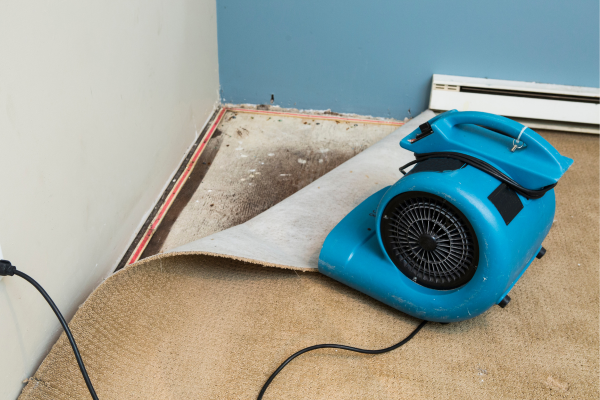
Water restoration is a multi-step process that starts the moment a technician arrives on site. It is not simply mopping up water and running a fan. A proper restoration job addresses moisture inside walls, under flooring, and in the substructure of the home before those areas develop mold or structural rot.
Here is what a full water restoration job typically involves:
- Initial assessment and moisture mapping — Technicians use moisture meters and thermal imaging to find exactly where water has traveled, including inside wall cavities and under tile or hardwood.
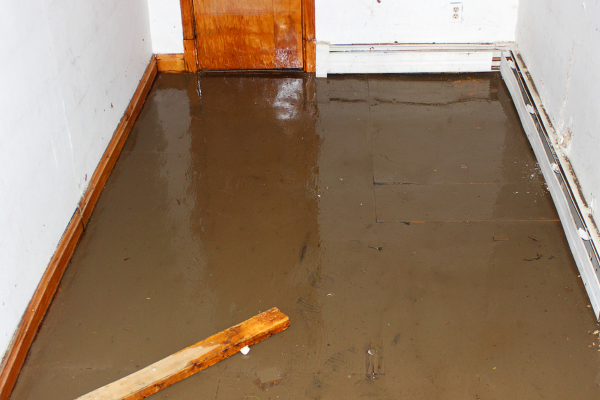
- Water extraction — Industrial wet-vacs and truck-mounted extraction units remove standing water quickly. The faster this step happens, the less water soaks into drywall, insulation, and wood framing.
- Structural drying — High-capacity air movers and commercial dehumidifiers run continuously, often for 3 to 5 days, to bring moisture levels in building materials down to an acceptable range.
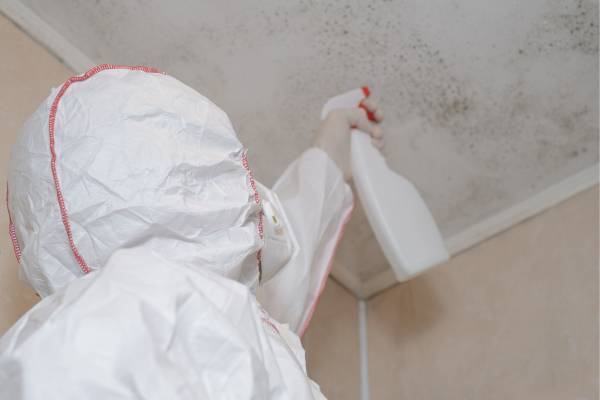
- Antimicrobial treatment — Affected surfaces are treated to inhibit mold and bacterial growth, especially important in Port St. Lucie’s warm, humid climate.
- Debris and damaged material removal — Saturated drywall, baseboards, insulation, and flooring that cannot be dried in place are removed and disposed of properly.
- Monitoring and documentation — Daily moisture readings track drying progress. This documentation is also useful if you file a homeowner’s insurance claim.
- Repairs and restoration — Once everything is dry, damaged surfaces are rebuilt: new drywall, flooring, paint, and trim are installed to return the space to its original condition.
What Are the Categories of Water Damage?
Not all water damage is the same. Restoration professionals classify water damage into three categories based on contamination level, and the category determines how materials are handled and what safety precautions are required.
| Category | Source | Typical Examples | Health Risk |
|---|---|---|---|
| Category 1 (Clean Water) | Sanitary supply lines | Burst pipe, overflowing sink, supply line failure | Low |
| Category 2 (Gray Water) | Appliances, overflow with mild contamination | Washing machine overflow, dishwasher leak, toilet overflow (urine only) | Moderate |
| Category 3 (Black Water) | Sewage, floodwater, groundwater | Sewer backup, storm flooding, rising groundwater | High — requires full PPE and special disposal |
Category 1 water can become Category 2 or 3 within 24 to 72 hours if left untreated, as bacteria multiply rapidly in warm, moist conditions. Port St. Lucie’s average summer temperatures above 90°F accelerate this process significantly.
Why Is Port St. Lucie Especially Vulnerable to Water Damage?
Port St. Lucie sits in the Treasure Coast region of South Florida, where the combination of a subtropical climate, frequent afternoon thunderstorms, and a large inventory of homes built in the 1980s and 1990s creates real water damage risk for homeowners.
Heavy Rainfall and Storm Surge
St. Lucie County averages roughly 55 to 60 inches of rain per year, with the bulk falling between June and September. Flash flooding in neighborhoods like Torino, Tradition, and Gatlin can push water into garages, crawl spaces, and ground-floor living areas faster than standard drainage can handle it.
Aging Plumbing Infrastructure
Many Port St. Lucie homes built during the 1980s and early 1990s housing boom still have original copper or polybutylene supply lines. Polybutylene pipe, which was widely used from roughly 1978 to 1995, is known to become brittle and fail without warning. A sudden pipe failure inside a wall or under a concrete slab can release hundreds of gallons before a homeowner notices anything wrong.
Slab Construction and Hidden Leaks
The vast majority of Port St. Lucie homes are built on concrete slabs rather than raised foundations. When a supply line beneath the slab develops a pinhole leak, water can migrate through the concrete and saturate flooring, walls, and cabinets for weeks before the damage becomes visible. This is one reason slab leak repair often goes hand in hand with water restoration work in this area.
High Ambient Humidity
Relative humidity in Port St. Lucie regularly exceeds 80 to 90 percent during summer months. Standard household fans do almost nothing to dry out wet building materials in those conditions. Commercial desiccant or refrigerant dehumidifiers are necessary to pull moisture out of walls and floors effectively.
In Port St. Lucie’s climate, a wet wall that looks dry on the surface can still harbor enough moisture inside to grow mold within days.
How Do You Know If You Need Water Restoration (Not Just Cleanup)?
Professional water restoration is necessary any time water has soaked into building materials, not just when there is standing water on the floor. Here are the signs that a mop and bucket are not enough:
- Drywall that feels soft, bubbles, or shows visible staining
- Flooring that is warping, buckling, or separating at the seams
- A musty odor that persists after the visible water is gone
- Discoloration or dark spots on ceilings or walls (often a sign of water tracking from above)
- Peeling paint or wallpaper
- Higher-than-normal water bills suggesting a hidden leak is still running
- Visible mold growth, even a small patch, within days of a water event
If your water damage started with a plumbing failure, the leak itself needs to be addressed before restoration can be completed. Ongoing leak repair is a prerequisite to any lasting restoration work. Drying out a structure while the source of moisture is still active accomplishes nothing.
How Long Does Water Restoration Take in Port St. Lucie?
Timeline depends on the size of the affected area, the category of water, and how long the water was present before work began. Here are general estimates:
| Scope of Damage | Typical Drying Time | Total Restoration Timeline (Estimated) |
|---|---|---|
| Small area (one room, caught quickly) | 2 to 3 days | 3 to 7 days |
| Medium area (multiple rooms or flooring throughout) | 3 to 5 days | 1 to 3 weeks |
| Large area (whole-home flooding, slab leak with wide spread) | 5 to 7+ days | 3 to 6 weeks or more |
These are general industry ranges. Port St. Lucie’s humidity can push drying times toward the longer end of each range, especially in summer. Homes with spray-foam insulation or thick tile over concrete subfloors also tend to dry more slowly.
What Should You Do Immediately After Water Damage?
The first hour after discovering water damage is the most important. Here is what to do right away:
- Stop the source. Shut off the main water supply if the damage is from a plumbing failure. The shutoff valve is typically near the water meter at the street or at the main line entering the home.
- Cut power to affected areas if there is any risk of water contacting electrical outlets, panels, or appliances. Do not enter a flooded room if you are unsure about electrical safety.
- Document everything. Take photos and video before moving anything. Your insurance company will need this.
- Remove standing water if you can do so safely. Towels, mops, and wet-vacs help with small amounts, but do not delay calling a professional for anything beyond a minor spill.
- Open windows if outdoor humidity is lower than indoor humidity. In Port St. Lucie summers, outdoor air is often more humid than indoor air, so this step is not always helpful. Use air conditioning to assist dehumidification instead.
- Call a water restoration professional. The sooner drying equipment is in place, the lower the risk of mold and secondary structural damage.
The EPA recommends beginning mold remediation within 24 to 48 hours of water exposure to prevent mold from becoming established in building materials.
Does Homeowner’s Insurance Cover Water Restoration?
Coverage depends on the cause of the damage and your specific policy. Here is a general breakdown of how most standard homeowner’s policies treat water damage:
- Sudden and accidental damage (burst pipe, appliance failure) is typically covered.
- Gradual leaks (a slow drip that went unnoticed for months) are often excluded because insurers consider them a maintenance issue.
- Flooding from outside the home (storm surge, rising groundwater) is generally NOT covered by standard homeowner’s insurance. Separate flood insurance through the National Flood Insurance Program is required for that coverage.
- Slab leaks may be partially covered, but coverage varies widely. Some policies cover the cost of accessing the leak (breaking through the slab) but not the pipe repair itself.
Always contact your insurance carrier before beginning major restoration work. Ask your restoration contractor whether they can provide moisture logs and documentation to support your claim.
Ready to Get Your Home Dried Out?
Smart Dry Port serves Port St. Lucie and the surrounding Treasure Coast area with water damage restoration service. If you have standing water, wet walls, or a leak that has already caused damage, call us at (772) 882-1939 to schedule an assessment. The sooner we can get drying equipment in place, the better the outcome for your home.
FAQs
How quickly does mold grow after water damage?
Mold can begin to colonize wet building materials in as little as 24 to 48 hours under the right conditions. In Port St. Lucie’s warm, humid climate, that window is on the shorter end. Starting the drying process within the first day is the most effective way to prevent mold growth.
Can I do water restoration myself?
You can handle very minor water events (a small spill, a contained appliance leak caught immediately) with household fans and a wet-vac. For anything that has soaked into drywall, flooring, or insulation, professional equipment is necessary. Consumer dehumidifiers and fans do not move enough air or remove enough moisture to dry building materials properly in Florida’s humidity.
What is the difference between water mitigation and water restoration?
Water mitigation refers to the emergency steps taken to stop further damage: extracting water, removing wet materials, and setting up drying equipment. Water restoration is the broader term that includes mitigation plus all the repairs needed to return the home to its original condition. Many contractors use the terms interchangeably.
Do I need to leave my home during water restoration?
For Category 1 (clean water) damage in a limited area, most homeowners can stay in the home while drying equipment runs. For Category 3 (sewage or floodwater) damage, or when large portions of the home are affected, temporary relocation is often recommended for health and safety reasons. Your restoration contractor can advise based on the specific situation.
How do I know if there is still moisture in my walls after drying?
A moisture meter is the only reliable way to confirm that walls and floors have reached an acceptable moisture content. Acceptable levels for wood framing are generally below 16 percent moisture content, and for drywall below 1 percent. Visual inspection alone is not sufficient, since surfaces can feel dry while interior framing is still wet.
What causes slab leaks in Port St. Lucie homes, and can they lead to water damage?
Slab leaks in Port St. Lucie are most often caused by corrosion of copper pipes, soil movement, or the natural aging of polybutylene lines installed in the 1980s and 1990s. Yes, they absolutely cause water damage. Water from a slab leak can saturate flooring, migrate up walls, and create mold problems long before the leak is discovered. Prompt slab leak repair is essential to limiting restoration costs.
Will my floors need to be replaced after water damage?
It depends on the flooring material and how long it was wet. Hardwood floors that were wet for more than a day or two almost always need replacement or professional refinishing. Tile over concrete can often be saved if the subfloor dried properly. Laminate and vinyl plank flooring typically needs replacement once it has buckled or separated at the seams.